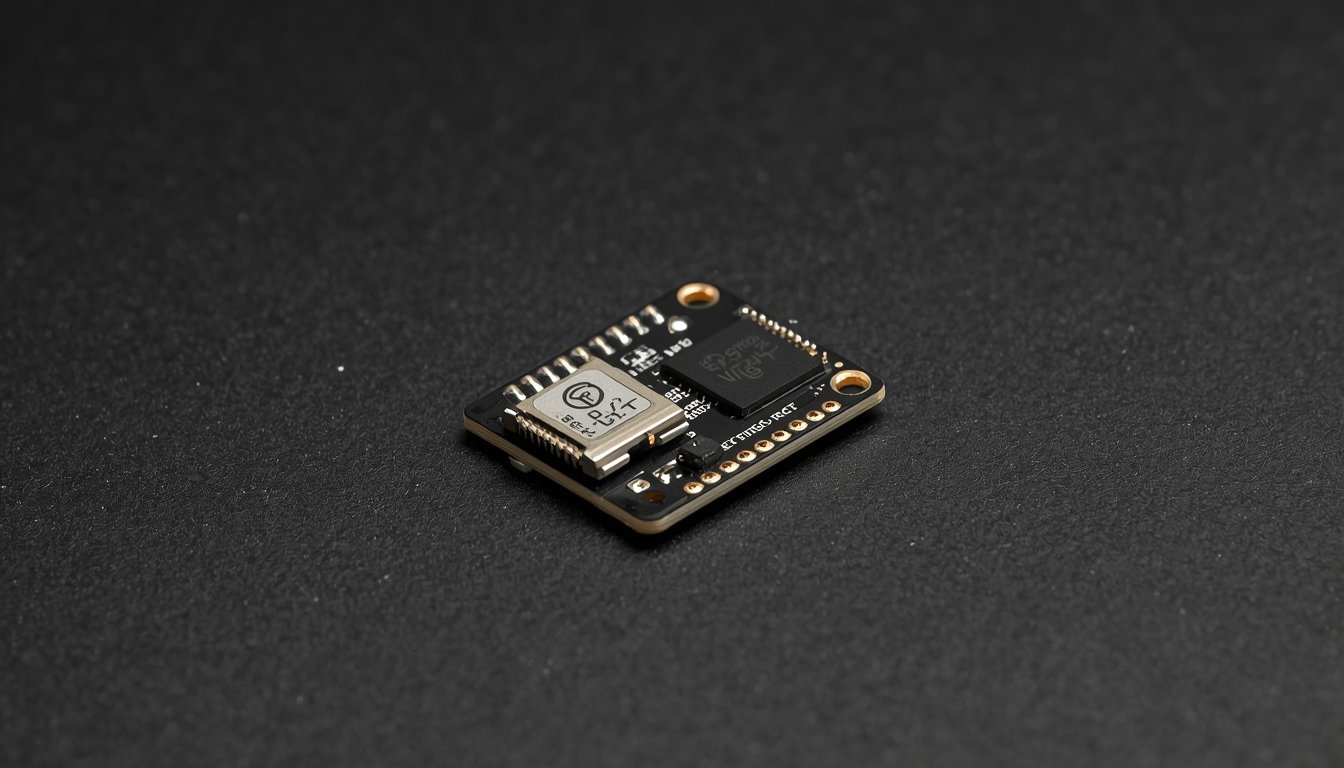
In the FPV world, hype builds fast around small parts that promise better performance with almost no penalty in size or weight. GPS modules are a perfect example. On paper, the BK 182 sounds like the kind of part pilots want: compact, low-power, fast refresh, and aimed at UAV/FPV use. A current TMOTOR-linked retail listing describes the BK-122/182 as an Ublox M9 GPS module for UAV and FPV drones with 25Hz refresh rate, 1.5m accuracy, and Betaflight compatibility.
That sounds impressive, and it explains why people still ask whether the BK 182 is worth buying in 2026. But hype in the drone world usually comes from three things: a strong spec sheet, real-world trust, and value against newer alternatives. The BK-182 still looks decent on the first point. The bigger question is whether it still wins on the other two. Current Beitian store listings show older M9-family GNSS modules at $18.88, while a newer M10 TTL GNSS series page currently lists options including BE-182 at $12.28. That pricing alone makes the value conversation more complicated than it used to be.
So the honest version of this review is simple: the BK-182 may still be a capable GPS module, but in 2026 the real question is not “Does it sound good?” It is “Does it still make sense when newer GPS options are everywhere?” Broader FPV guidance has increasingly favored newer M10-based GPS modules over older options for fresh purchases, especially when prices are similar.
What Is the BK-182?
The BK 182 appears online as part of the BK-122/182 GPS line marketed for UAV and FPV drones. The TMOTOR-linked listing presents it as a low-power Ublox M9 GPS module intended for precise navigation and positioning in drone builds, with ultra-fast hot start, 25Hz refresh rate, 1.5m accuracy, and BF compatibility listed as selling points.
That tells you what kind of product this is. The BK-182 is not a mainstream consumer gadget. It is a small FPV/UAV component meant for pilots who want GPS features such as positioning, recovery-related functionality, or a more complete flight-control setup. It belongs to the kind of part category where reliability matters more than flashy branding.
Beitian’s store also shows an M9 M9140 GNSS family with integrated antenna modules and customer reviews, which supports the idea that this class of Beitian/TMOTOR-style GPS hardware sits inside an established product category rather than being a random one-off part.
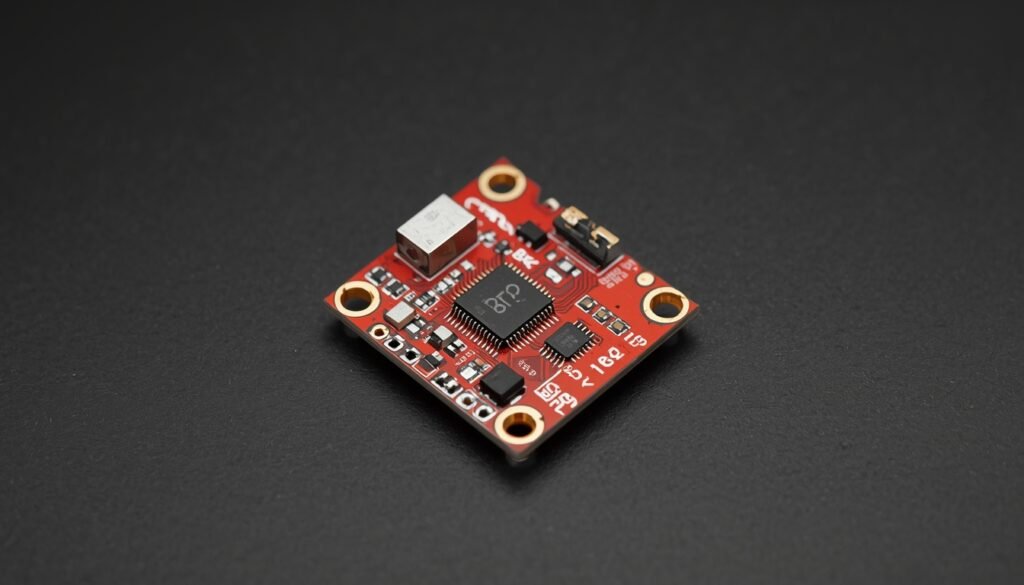
Why the BK 182 Gets Attention
The BK 182 gets attention because its paper specs hit the exact phrases FPV buyers like to see. A 25Hz refresh rate sounds modern. 1.5m CEP-style accuracy sounds precise enough for serious positioning use. Low power and compact size are always attractive on a build where every gram and every bit of electrical noise matter. And Betaflight compatibility gives it immediate relevance for a large part of the FPV audience.
There is also a psychological factor here. FPV pilots often like parts that promise “big upgrade, small footprint.” GPS modules that seem fast, clean, and lightweight naturally create interest because they feel like a high-value add-on rather than a major rebuild. That is part of why GPS buying conversations often get emotional quickly in hobby communities. Broader FPV reviews continue to treat GPS choice as an important quality-of-life and rescue-related decision, not just a trivial accessory purchase.
So yes, the hype around the BK-182 makes sense at first glance. It sounds like exactly the kind of part a modern quad builder would want.
BK-182 Specs: Good on Paper
If you judge the BK 182 purely from currently visible product pages, it does not look weak. The TMOTOR-linked listing is clear about its main headline specs: 25Hz refresh, 1.5m accuracy, low power, and compatibility with UAV/FPV drones and BF systems.
That matters because GPS quality in drone use is not just about whether the module turns on. Pilots care about lock speed, update behavior, integration with flight control software, and whether the module feels trustworthy enough for positioning-dependent features. A high refresh rate and decent advertised accuracy are the kinds of things that make a GPS module look future-proof on paper.
The problem is that good paper specs are only half the story. In FPV hardware, a product can look great in a listing and still fail to become a genuine favorite if real-world support, tuning, or firmware compatibility lag behind.
The Biggest Problem: Limited Independent Review Depth
This is the most important section of the review. I did not find strong, current, independent 2026-style testing specifically for the BK 182 that would justify calling it a proven category leader. Most of what surfaced clearly was product-listing information rather than detailed field-tested review coverage.
That does not automatically mean the BK-182 is bad. It means buyers should be careful not to confuse availability with validation. In drone gear, those are not the same thing. A module might exist, have decent specs, and still not have enough trusted community testing behind it to deserve hype language like “must buy” or “best GPS in 2026.”
That missing confidence layer matters even more now because the GPS market is more competitive than it used to be. If a module lacks deep current review support, it really needs one of two things to stay compelling: either obviously better value or obviously better performance. Based on what is currently visible online, the BK-182 does not clearly own either position.
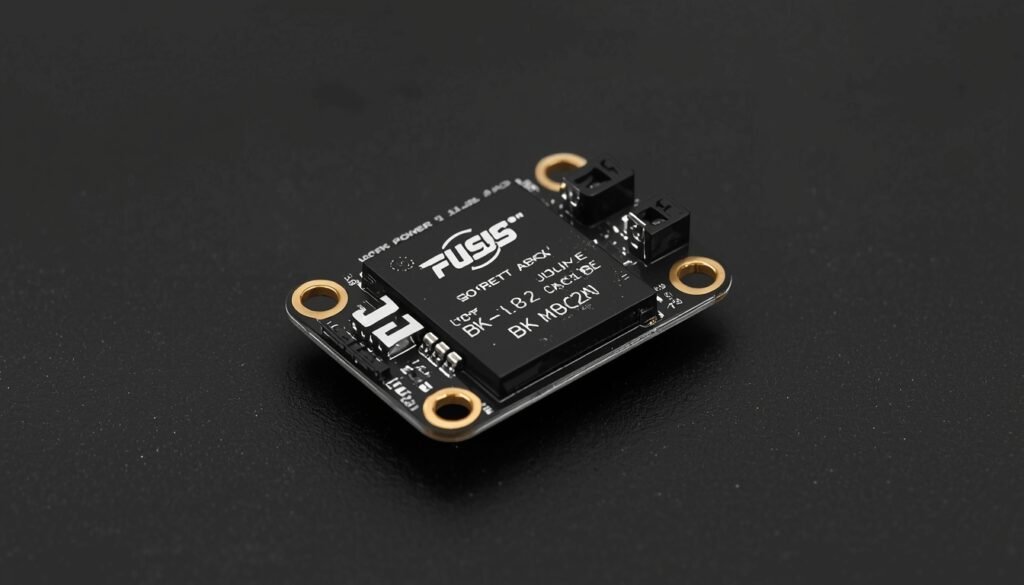
2026 Market Context: Newer M10 Modules Changed the Conversation
This is where the hype starts to weaken. Broader FPV buying guidance in the last couple of years has leaned heavily toward M10-based GPS modules for new purchases. In Oscar Liang’s GPS roundup, older Beitian options like the BN-220 and BN-180 are no longer the preferred picks; he explicitly says newer M10-based GPS options tend to perform noticeably better at a similar cost, and he does not recommend buying the BN-180 anymore because there are cheaper, better, and even smaller options available.
That does not name the BK-182 directly, but it absolutely affects the BK-182’s value case. The reason is simple: if the broader category has moved toward M10 as the smarter fresh-buy choice, then an older M9-positioned module needs either a great price or outstanding field reputation to stay exciting.
Current Beitian store listings make that challenge even sharper. The store’s M9-family GNSS module page is listed at $18.88, while the M10 TTL GNSS product page is currently listed at $12.28 and includes models such as BE 182 in the option list. That means newer-generation Beitian options are visible online at a lower listed price than the older M9-family listing I found.
That does not prove every M10 option is automatically better for every build. But it does mean the BK-182 no longer benefits from the easy argument of “older but cheaper.” In 2026, that matters a lot.
A Confusing Detail: Do Not Mix Up BK 182 and BH-182
One thing worth mentioning is name confusion. In FPV/drone searches, BK 182 and BH-182 can be easy to mix up. That matters because Oscar Liang’s 2024 GPS roundup includes the Beitian BH-182, and his result there was negative: he says he could not get it to work in Betaflight 4.5 after trying for hours, notes that it appears to use a B101 chip rather than the usual M-series chip, and says he does not recommend it for now.
That is not the same product naming as BK-182, so it should not be used as a direct verdict on BK-182. But it is still useful context because it shows how messy GPS buying can get when model numbers are similar and chipset differences are not obvious at first glance. If you are shopping by name only, it is very easy to buy the wrong thing or assume compatibility that is not actually there.
In other words, if you plan to buy the BK-182, verify the exact chipset, the exact listing, and the exact protocol/support situation first. In this category, one letter can matter more than buyers expect.
BK-182 for Betaflight and FPV Builds
The best-case use for the BK 182 is pretty straightforward: an FPV or UAV build where you want a compact GPS module with modern-enough listed specs and clear listing-level BF compatibility. That is exactly how the TMOTOR-linked seller positions it.
If you already found one locally at a good price, or if it is included in a known build bundle, the BK-182 is not an absurd choice. Nothing in the currently visible product information suggests it is junk. The problem is not that it looks unusable. The problem is that in 2026 it no longer looks like the obvious smart buy unless pricing or availability specifically favors it.
That is an important distinction. “Still usable” and “worth the hype” are not the same thing.
Cons of the BK 182
Now the weaknesses.
1. The hype is ahead of the independent evidence
The biggest issue is still the lack of strong current third-party review depth specifically on the BK 182. That makes it hard to call it a proven winner.
2. Newer M10-based options have changed the value equation
Broader FPV review guidance increasingly favors M10-based GPS modules for new purchases, especially when prices are similar.
3. The current visible price advantage is weak
The Beitian M9-family listing is currently higher than the newer M10 TTL listing I found, which makes the “older but bargain-priced” argument much harder to sell.
4. Model confusion in this category is real
BK-182, BH-182, BE-182, BN-180, BN-220 — these names are similar enough that buyers can easily make the wrong assumption if they shop too quickly.
Is the BK 182 Actually Worth Buying in 2026?
My honest answer is: sometimes, but only in a narrow case. If you already know this exact module suits your build, if you are getting it from a trusted seller, and if the price is genuinely better than the alternatives available to you, the BK-182 can still be worth buying. The listed specs are not embarrassing, and it is still positioned as a proper FPV/UAV GPS product.
But if the question is broader — “Should most buyers chase the BK 182 because of the hype?” — then my answer is no. In 2026, it looks more like a serviceable option than a standout one. The category conversation has moved toward newer M10 modules, and current visible pricing does not clearly put the BK-182 in a “best value” lane.
That is really the key verdict. The BK-182 may still be fine. But “fine” is not the same as “hype justified.”
Final Verdict
The BK 182 is not a bad-looking GPS module on paper. It still offers the kind of specifications FPV pilots care about: compact design, low power, fast listed refresh, and flight-controller relevance. If you already have one, or if you can buy it cheaply from a trusted source, it may still do the job just fine.
But if you are starting fresh in 2026 and asking whether the BK 182 deserves its hype, the smarter answer is not really. There is not enough strong current independent review evidence behind it, and the surrounding market has shifted toward newer M10-based GPS modules that are often easier to recommend for new builds. On top of that, current visible pricing does not clearly give the BK 182 a major advantage.
Pros of the BK-182
The BK-182 still has a few clear strengths.
1. The listed specs are respectable
A 25Hz refresh rate, 1.5m accuracy, and compact low-power positioning are still attractive numbers for a GPS module aimed at FPV use.
2. It is positioned directly for UAV/FPV use
This is not a generic consumer GPS dongle. It is sold specifically for UAV and FPV drones, which makes its purpose clear.
3. Betaflight compatibility is a strong selling point
The listing explicitly mentions BF systems, which is one of the biggest things FPV pilots want to see before even considering a GPS module.
4. It may still be a reasonable buy if found cheaply
If your local market, spare-parts source, or trusted shop offers the BK-182 at a strong price, it can still make practical sense, especially if you are not chasing the absolute newest GPS tech. This is an inference from current pricing context, not a universal recommendation.
Leave a Reply