What Is InsMelo?
InsMelo is an AI music creation platform built for people who want to make songs without going through the usual slow and technical production process. Instead of needing a full studio setup, advanced software, or formal music training, a user can start with a simple idea, a few written lyrics, or even a mood-based prompt and turn that into a finished track. InsMelo presents itself as a tool that can generate original songs, instrumentals, and vocals from text, lyrics, images, and uploaded material, which makes it appealing to beginners as well as creators who need music quickly. One of the main reasons the name is getting attention is that it tries to remove the traditional barrier between imagination and execution. A person who has a melody in mind but cannot compose can still create something usable. A writer with lyrics but no production skills can hear those words as a song. A content creator who needs background music for videos can experiment with styles in minutes. That is the core appeal of InsMelo: it turns music creation into a faster, more accessible, and less intimidating process for everyday users and digital creators.

How InsMelo Makes Music Creation Feel Easier
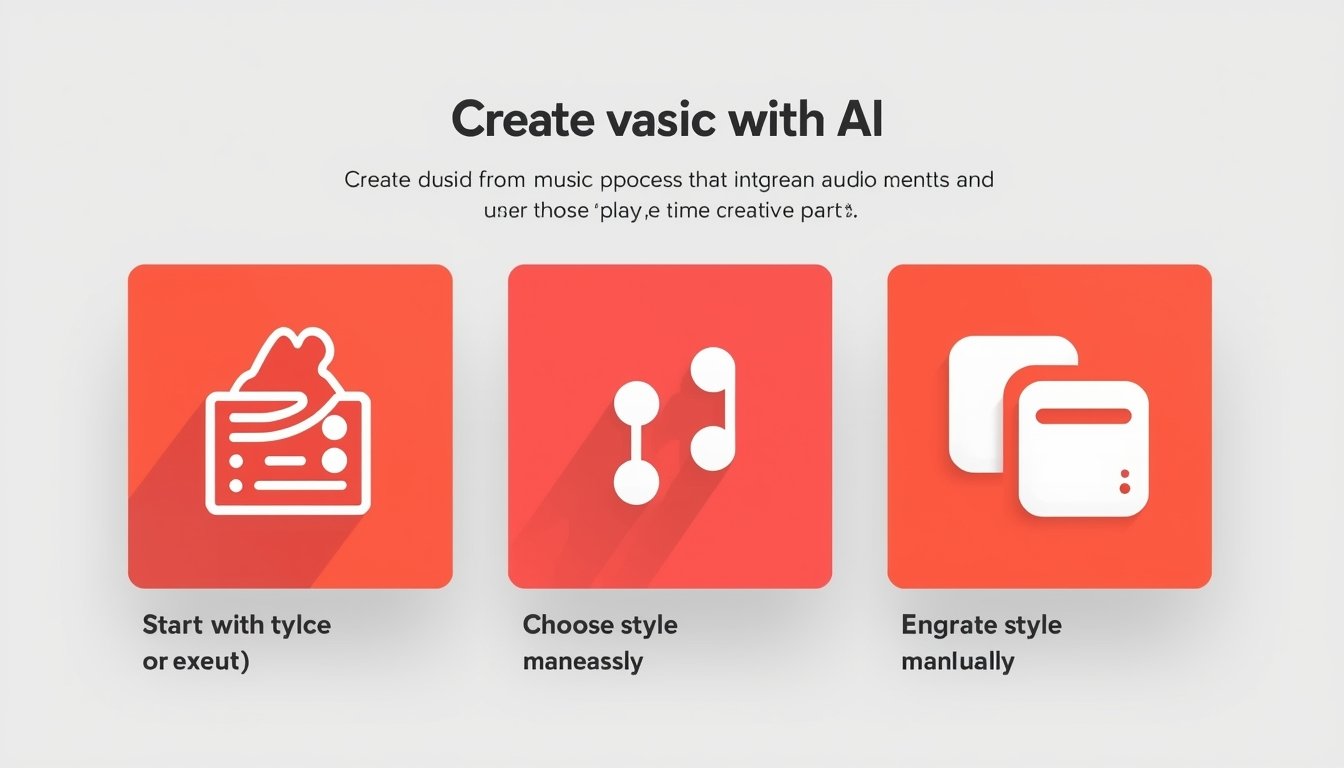
What makes InsMelo stand out is not only that it creates music with AI, but that it packages the whole process in a way that feels simple. The official workflow is built around a short sequence: start with text, lyrics, voice, or another input, choose the style or tool you want, and then generate the final result. That kind of structure matters because many people are interested in music but get stuck when they face complicated digital audio workstations, plugin settings, mixing tools, and production terminology. InsMelo tries to skip all of that and move straight to the creative part. The user is asked what kind of feeling, voice, or genre they want rather than how they want to engineer each layer manually. That shift makes the experience feel more like directing music than building it piece by piece. For busy people, this can be very useful. Someone making short-form videos, podcast intros, ad creatives, or experimental demos may not need a perfect studio session every time. They may just need something fast, clear, and good enough to build on. In that sense, InsMelo fits the current creator economy well because speed, ease, and flexibility matter more than technical complexity for many users today.
Turning Lyrics Into Full Songs
One of the most appealing parts of InsMelo is its lyrics-to-song capability. Many people can write words that sound emotional, poetic, catchy, or personal, but they cannot turn those lines into an actual song structure with melody, timing, and production. InsMelo is designed to close that gap. A user can paste lyrics into the platform, choose a style or mood, and let the AI build a track around those words. That is important because writing lyrics and producing music are completely different skills. Plenty of people have one without the other. By letting written words become a song draft, InsMelo gives lyric writers, hobbyists, and first-time creators a way to hear their ideas come alive. This can be useful for personal projects, demos, content themes, birthday songs, social media experiments, or simple creative expression. It also changes how people think about songwriting. Instead of waiting for the “right producer” or “right studio,” a person can test multiple directions quickly and hear how the same lyrics feel in pop, cinematic, lo-fi, or upbeat styles. That kind of instant feedback can be inspiring because it turns a static block of text into something emotional, dynamic, and performable in a matter of minutes rather than weeks.
Creating Music From Simple Prompts and Ideas
Not everyone starts with polished lyrics. Sometimes a person only has a rough concept, a mood, or a visual in mind. This is where InsMelo becomes especially interesting. Its broader music workflow allows users to describe a vibe, type a short idea, or work from other kinds of inputs to generate songs and soundscapes. That means the starting point can be emotional instead of technical. A user might want something dark and cinematic, soft and romantic, energetic and motivational, or dreamy and nostalgic. Instead of sitting down to arrange drums, bass, chords, and melodies manually, they can simply describe that feeling and let the platform attempt a full interpretation. This makes music creation feel more open to ordinary people. It also makes experimentation easier, because changing direction no longer means starting over from scratch. You can test multiple tones, compare versions, and listen to how the same idea transforms under different genres or production styles. For creators who work with storytelling, reels, trailers, gaming content, or mood-based branding, this kind of prompt-driven system can be valuable. It changes the creative process from technical assembly to fast idea exploration, and that is a major reason platforms like InsMelo are catching attention in the current digital content world.
More Than Just Song Generation
InsMelo is not limited to one basic text-to-song function. Its public pages describe a wider toolkit that includes song creation, covers, extension features, and some workflows tied to images or uploads. This matters because many users are no longer looking for a single one-click tool. They want a workspace that lets them start with one idea and then keep shaping it. A creator may begin by generating a rough track, then decide to extend it, swap elements, experiment with a cover-style approach, or build on an existing concept rather than generating something entirely new every time. That broader workflow makes the platform feel more like a creative playground than a one-use novelty. It also suggests that InsMelo is trying to serve different kinds of users at once: people who want quick music for content, hobbyists who like playing with sound, and more serious users who want draft material they can refine further. In practice, this wider toolset can make a platform more useful because real creative work is rarely linear. People change direction, compare options, revise ideas, and continue building after the first output. A tool that supports that process feels more practical than one that only generates a single finished result and stops there.

Why Content Creators May Find InsMelo Useful
InsMelo naturally fits the needs of modern content creators because today’s digital platforms reward speed, originality, and consistent output. A YouTuber, podcaster, short-form video editor, or social media creator often needs music that matches a specific mood without spending days searching through generic stock libraries. InsMelo positions itself as a way to create original, royalty-free music for videos, podcasts, and commercial projects, which is a major benefit for people who publish often and want something tailored to their content. Instead of choosing from tracks that thousands of others may already be using, a creator can generate something that feels more aligned with their brand tone or storytelling style. This is especially useful for intros, emotional scenes, background instrumentals, montage sequences, ad creatives, or themed campaigns. Another advantage is control. If the first result feels too dramatic, too soft, or too generic, the creator can adjust the prompt, change the genre, or try a new approach. That kind of flexibility matters in content work, where mood and pacing affect audience reaction. For creators who value efficiency and originality at the same time, InsMelo can feel like a practical bridge between content production and music direction.
A Tool That Lowers the Entry Barrier for Beginners
A big reason InsMelo has appeal is that it opens the door for people who have always wanted to make music but felt shut out by the learning curve. Traditional music creation can be intimidating. There are instruments to learn, software to understand, timing to master, and production decisions that often overwhelm new users. InsMelo reduces that pressure by letting the person focus on the idea first. The platform describes itself as beginner friendly and emphasizes that users do not need prior experience to start generating tracks. That matters because creative confidence often grows only after someone gets an early win. If a beginner can type a concept, hear a song, and feel excited by the result, they are far more likely to keep exploring music. This does not mean the platform replaces deep musicianship, but it does mean it can act as a creative starting point. It gives non-musicians a safe first step and gives casual users a reason to experiment. In many cases, the hardest part of any creative hobby is not talent but access. By making music feel less technical and more interactive, InsMelo helps remove that first layer of resistance that keeps many people from ever trying at all.
Genre Variety and Creative Freedom
Another strength often associated with InsMelo is the range of styles it claims to support. Its official material points to a very broad selection of genres and music moods, including common creator-friendly styles as well as more niche directions. That variety matters because music is rarely one-size-fits-all. A cinematic short needs a different feeling than a fitness reel. A relaxed vlog intro needs something different from a dramatic spoken-word piece. A playful social clip and a sentimental memory video should not sound the same. If a platform allows users to jump between genres and tonal directions quickly, it becomes more useful across many projects rather than only one. The real value of that freedom is not just choice but discovery. People often do not know what style they want until they hear several versions. A prompt that sounds average in one genre may feel powerful in another. A plain lyric can become emotional when placed in the right musical setting. That is why genre flexibility matters so much in AI music tools. It turns creation into exploration. Instead of forcing users into a narrow template, InsMelo appears designed to encourage testing, comparing, and refining until the music feels closer to the creator’s intent.
Commercial Use and the Appeal of Royalty-Free Music
For many users, one of the biggest questions is not whether a song sounds good, but whether it can actually be used safely in real projects. InsMelo’s official pages state that generated music includes royalty-free commercial rights and can be used in YouTube content, podcasts, and commercial work. That is a major selling point because licensing issues can become a serious problem for creators, freelancers, agencies, and small brands. Even a great track loses value if the user is unsure whether it can be published, monetized, or reused. A platform that promises commercial usability instantly becomes more attractive to people working in digital media. It saves time, reduces confusion, and makes the creative workflow smoother. For a solo creator or startup team, that kind of simplicity can matter as much as the music itself. It means the generated track is not just a fun experiment but potentially a practical asset. Of course, careful users should still review the platform’s current terms before relying on any music in high-stakes commercial work, but the royalty-free positioning clearly adds to InsMelo’s appeal. It tells users that the platform is not only about creativity, but also about practical use in real publishing and business environments.
What Users Should Keep in Mind Before Using InsMelo
Even though InsMelo sounds promising, it is smart to look at it with balanced expectations. The Google Play listing shows a strong rating, but user reviews also reveal some concerns. Some reviewers like the idea, the speed, and the convenience, while others mention issues such as limited free usage, prompt-following problems, shorter song outputs, pricing frustrations, or difficulty managing subscription settings. That does not automatically make the platform bad, but it does remind users that AI music tools are still part creativity engine and part evolving software product. The result you get may depend on your prompt quality, your expectations, and how polished you need the final output to be. If someone expects perfect industry-grade composition every time, they may feel disappointed. But if they approach it as a fast creative assistant, a demo generator, or a way to test ideas, they may find real value in it. The best mindset is to treat InsMelo as a practical creative tool rather than a magical replacement for every stage of professional production. It can save time, inspire new ideas, and help non-experts start creating, but users should still evaluate quality, terms, and workflow fit before depending on it heavily.
Conclusion
InsMelo represents a broader shift in how creative tools are being used today. Instead of expecting people to master every technical layer before they can produce something meaningful, platforms like this let users begin with the most human part of the process: an idea, a mood, a lyric, or a story. From there, the technology handles much of the translation into music. That is why InsMelo feels relevant right now. It speaks to creators who move fast, beginners who want a simpler starting point, and digital users who need original music without turning every project into a full production session. Its strongest appeal lies in accessibility, flexibility, and the promise of usable, royalty-free output for real content needs. At the same time, it is still wise to approach it thoughtfully, test results for yourself, and understand the platform’s limits before relying on it too heavily. Overall, InsMelo is best viewed as a modern creative shortcut: not a replacement for every musician or producer, but a tool that makes music creation more open, faster, and more approachable for a much wider group of people than ever before.
Leave a Reply