What Does Image to Image Really Mean?
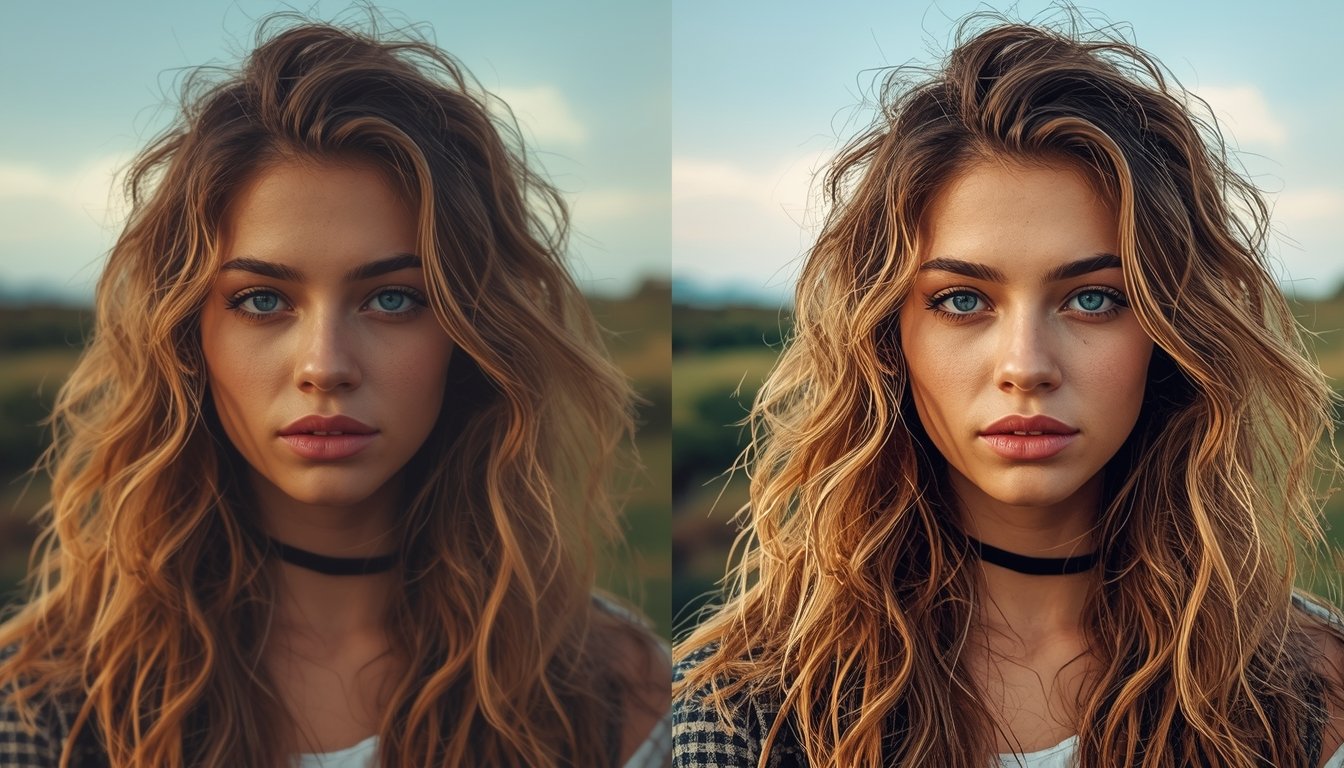
The term image to image refers to the process of taking one existing image and transforming it into another version while keeping some part of the original visual structure. Instead of starting from nothing, this process begins with a source image and then changes its style, mood, colors, details, composition, or overall appearance. In simple words, it is a way of using one image as the base for creating a new one.
This makes image to image especially useful for people who already have a visual idea but want to improve it, restyle it, or explore a different version of it. A person may want to turn a rough sketch into polished artwork, a plain portrait into a cinematic version, or a simple product photo into something more refined. The idea is not only to edit an image, but to creatively transform it while still keeping a connection to the original.
Why Image to Image Feels So Useful
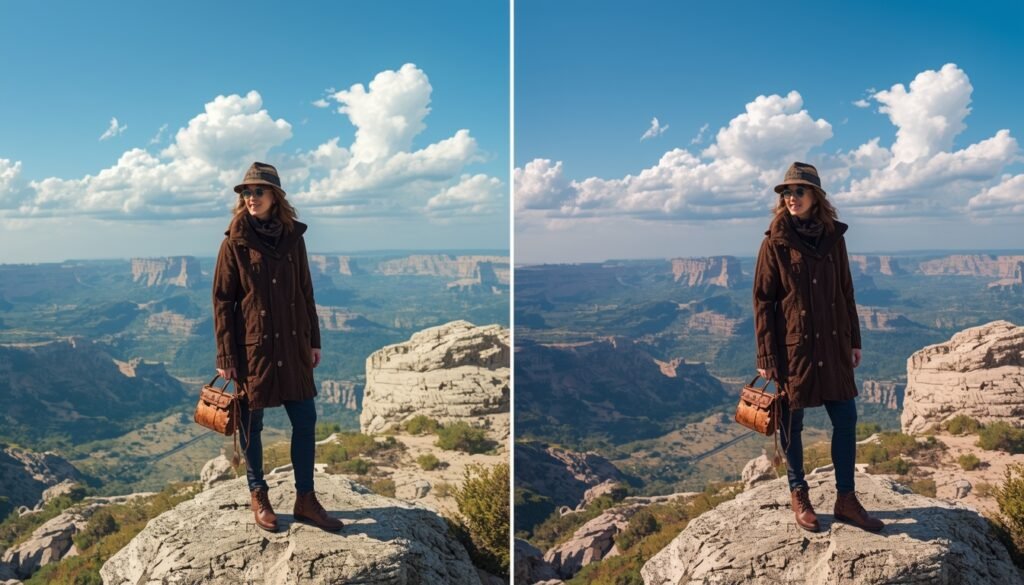
One reason image to image feels so powerful is that it gives people more control than starting from a text prompt alone. When someone already has an image, they usually have a specific layout, pose, object, or visual direction in mind. Using that image as the starting point makes it easier to guide the final result toward something closer to their vision.
This is especially useful for creators who do not want random results. They may like the structure of the original image but want a better version of it. They may want to keep the same subject while changing the atmosphere, clothing, style, or quality. That balance between consistency and transformation is what makes image-to-image work feel practical, flexible, and creatively satisfying.
How Image to Image Differs From Basic Editing
Basic image editing usually focuses on smaller changes such as brightness, contrast, cropping, saturation, or removing minor flaws. Those adjustments can improve a picture, but they usually do not change the image in a deeper creative way. Image to image works differently because it is more about transformation than correction. It takes the original image and reinterprets it into a different version.
That is why image-to-image tools often feel more advanced than ordinary editing apps. Instead of just polishing the surface, they can reshape the visual character of the image itself. A normal photo can become stylized art, a flat design can become more realistic, or a simple scene can be turned into something dramatic and cinematic. The original image still matters, but the result can feel entirely new.
Why Artists and Designers Like This Process
Artists and designers often like image to image because it helps them move faster without giving up creative direction. Many creative people already have sketches, drafts, mood boards, concept images, or unfinished visuals that carry a strong idea but lack final polish. Image-to-image workflows can help turn those rough starting points into more developed and visually appealing results.
This does not remove the artist’s role. In many cases, it actually supports it by making experimentation easier. An artist can test different looks, compare styles, and see how one base image changes across multiple creative directions. For designers, that means faster concept development. For illustrators, it means stronger drafts. For visual creators in general, it becomes a tool for exploration rather than a replacement for imagination.
How It Helps With Style Transformation
One of the most popular uses of image to image is style transformation. A person can take an ordinary picture and change the overall look while keeping the main structure intact. For example, a realistic portrait can be turned into a painterly version, a modern room can be transformed into a vintage-inspired scene, or a plain image can be given a fantasy, cinematic, or hand-drawn appearance.
This kind of transformation is useful because it allows people to explore visual identity without losing the foundation of the original picture. The pose, layout, or object placement can remain recognizable while the artistic expression changes completely. That makes image-to-image generation attractive for branding, concept art, storytelling, design ideas, and creative experimentation where visual mood matters just as much as subject matter.
Why Content Creators Use Image to Image
Content creators often need visuals that feel unique, polished, and tailored to their project. A basic image may not always match the tone of a video, blog post, advertisement, or social media campaign. This is where image to image becomes helpful. Instead of searching endlessly for a perfect image, creators can start with something close and transform it into something more suitable for their content.
This saves time while also making the final result feel more customized. A creator can take a standard image and turn it into something more dramatic, cleaner, softer, bolder, or more brand-friendly. That kind of visual flexibility is valuable in digital content, where appearance strongly affects audience response. Image to image gives creators a way to shape visuals more intentionally instead of settling for ordinary results.
Why Businesses Find It Useful Too
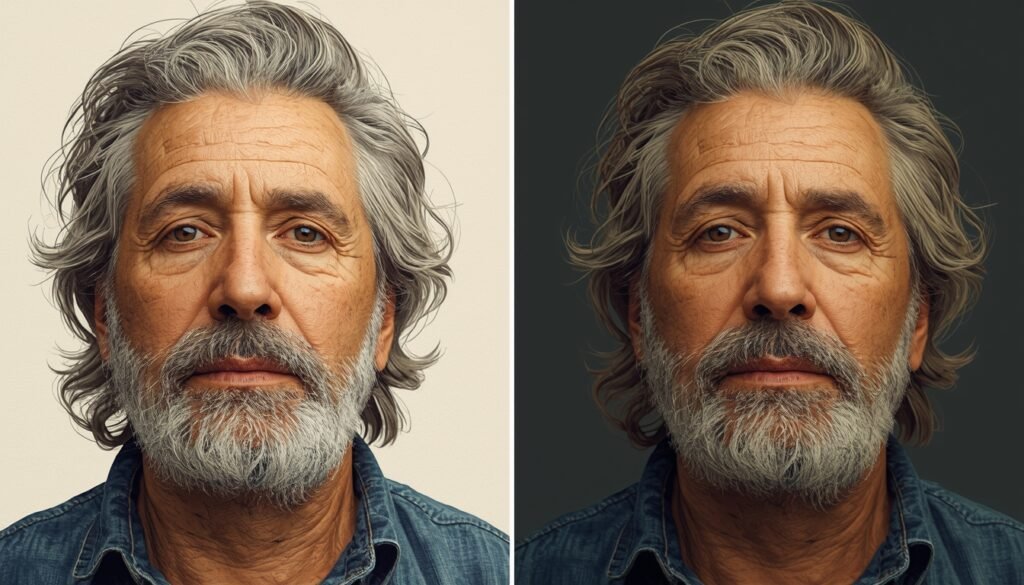
Businesses also benefit from image to image because brand presentation depends heavily on visual consistency. A company may already have product photos, promotional graphics, or concept visuals, but those images may not always match the quality or style needed for different campaigns. Image-to-image tools can help refine or restyle those visuals without forcing the business to start from scratch every time.
This can be useful for marketing materials, ecommerce presentation, mood-based campaigns, or visual refreshes across different platforms. A product image may need a cleaner premium look. A brand photo may need a softer editorial style. A campaign visual may need to feel more modern and polished. In these cases, image to image becomes a practical creative tool that helps businesses maintain stronger visual identity while working more efficiently.
How It Supports Creative Experimentation
Creative work often improves through experimentation. People rarely arrive at the best visual result on the first try. They test different tones, different styles, different lighting moods, and different artistic directions before they find the version that feels right. Image to image supports that process by making it easier to generate multiple variations from one original source.
This freedom encourages exploration without losing structure. A creator can keep the same main image and try several different treatments to see what feels strongest. One version may feel elegant, another may feel bold, and another may feel more emotional or realistic. That ability to compare visual directions quickly is a major advantage because it makes the creative process more open, more playful, and often more productive.
Why It Matters for Beginners
For beginners, image to image can feel less intimidating than starting with advanced design software or full manual illustration. Many people have ideas but struggle to build polished visuals from the ground up. When they begin with an existing image, the process feels more approachable. They already have a base to work with, which makes transformation easier to understand and easier to control.
This is important because confidence often grows when people can see progress quickly. A beginner may not know how to paint digitally, create concept art, or design professional-looking graphics, but they can still learn by transforming and refining an image step by step. That makes image to image a valuable entry point for people who want to create visually stronger content without being blocked by technical complexity at the start.
10. When Image to Image Becomes the Best Choice
There are many situations where image to image becomes the smartest option. If someone already likes the structure of a picture but wants a different style, mood, or quality, starting from that existing image makes more sense than generating something completely new. It keeps the foundation in place while opening the door to visual improvement and creative change.
This is why image-to-image workflows are so widely appreciated. They sit in the middle between editing and creation. They are not just about fixing an image, and they are not always about replacing it either. Instead, they offer a practical way to evolve a visual idea into something stronger, more refined, and more aligned with the creator’s goal. That balance is exactly what makes the process so valuable.
Conclusion
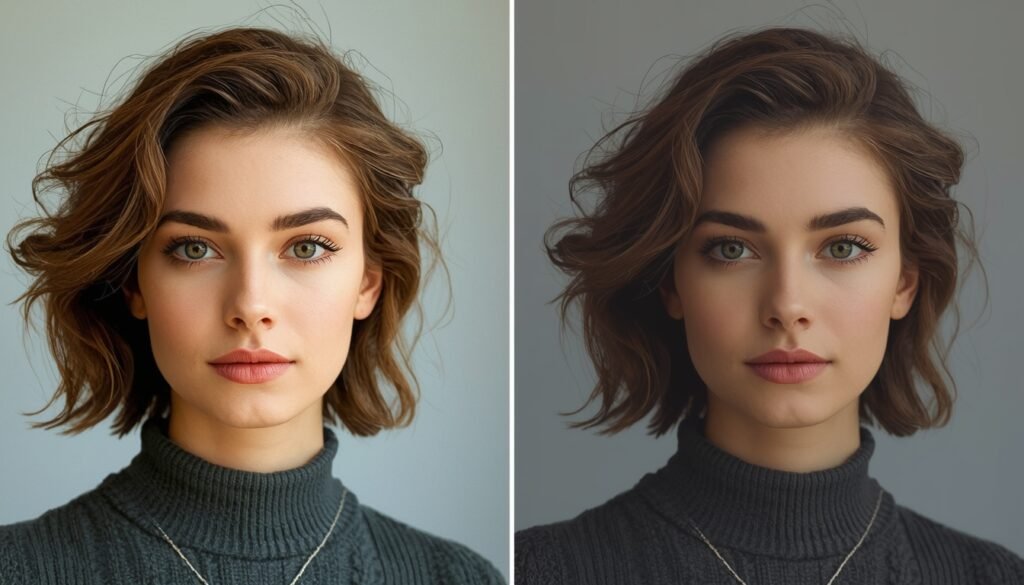
The idea behind image to image is simple, but its creative value is much deeper than it first appears. It allows people to begin with a real visual reference and then transform it into something more polished, more expressive, or more suitable for a specific purpose. That makes it useful for artists, designers, businesses, creators, and beginners alike.
In a world where visuals matter more than ever, image to image offers a practical and flexible way to improve what already exists. It helps people keep the strength of the original image while exploring better styles, stronger presentation, and more creative possibilities. That is why it has become such an important part of modern visual work.
Leave a Reply