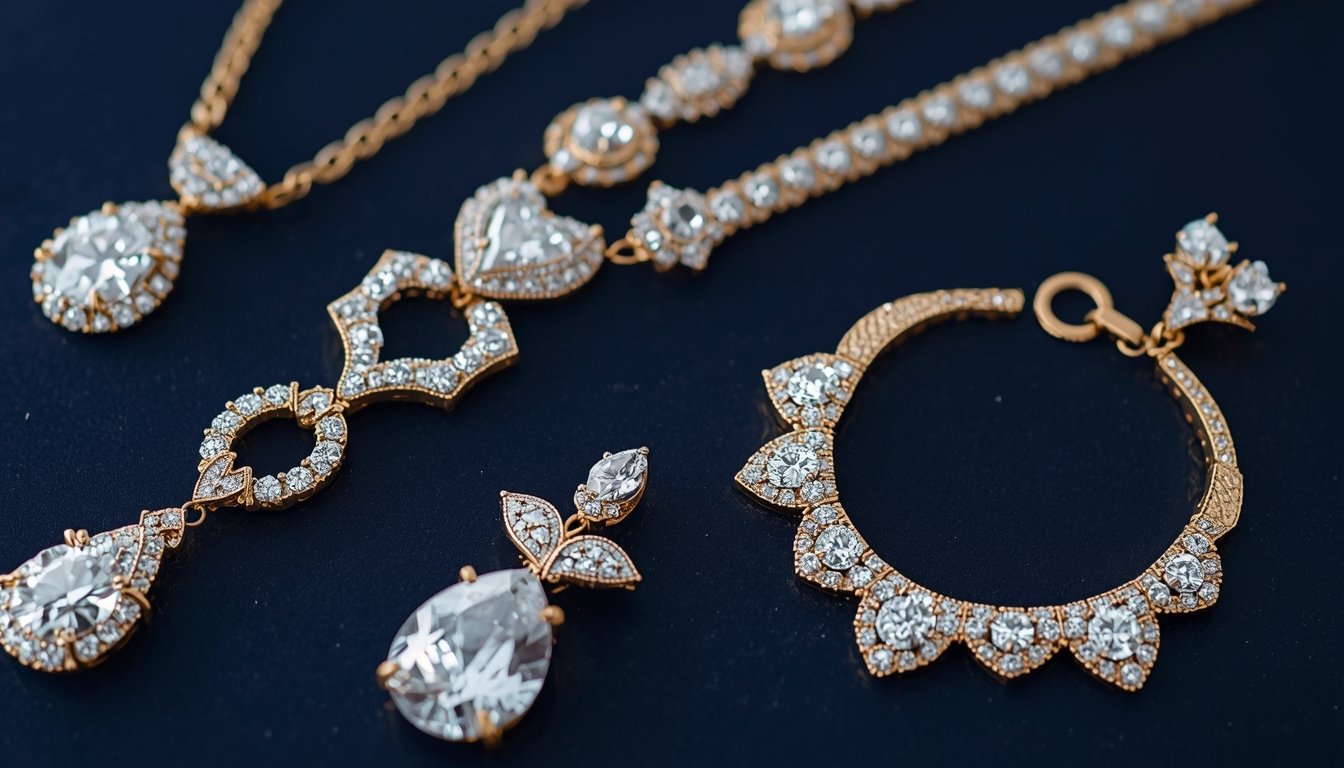
Jewelry investment sounds glamorous, but the reality is more nuanced. Some jewelry can preserve value surprisingly well, and a small slice of the market can even appreciate meaningfully. But a lot of retail jewelry is bought at a luxury markup and later resold into a much tougher secondary market. The pieces that tend to hold up best usually have one or more of these traits: high intrinsic material value, recognized maker or signature, rarity, strong condition, and good documentation. Auction-market guidance from Sotheby’s and Christie’s repeatedly emphasizes condition, maker signature, rarity, and provenance as major drivers of value, while GIA stresses that objective grading and reports matter when evaluating gemstones.
That means jewelry investment should not be treated the same way as buying a stock, ETF, or gold bar. Jewelry sits in a mixed category: part precious-material asset, part luxury product, and sometimes part collectible. Gold purity can be measured directly, diamonds can be graded systematically through the 4Cs, and signed pieces can carry a collectible premium that goes beyond raw metal and stone value. But once you move into that collectible premium, you also take on more uncertainty around resale timing, buyer demand, authenticity, and fees.
So the right question is not just “Is jewelry a good investment?” A better question is: what kind of jewelry are you buying, why are you buying it, and who would want it from you later? That is where the difference between a smart purchase and an expensive mistake usually shows up.
What Jewelry Investment Really Means
At the most practical level, jewelry investment usually falls into two buckets. The first is intrinsic-value jewelry, where much of the value comes from the precious metal or gemstone itself. Gold jewelry is the clearest example because purity can be expressed through karat and fineness marks: the World Gold Council notes that 24 karat is pure gold, 18 karat is 75% gold, and common fineness stamps include 585 for 14K and 750 for 18K.
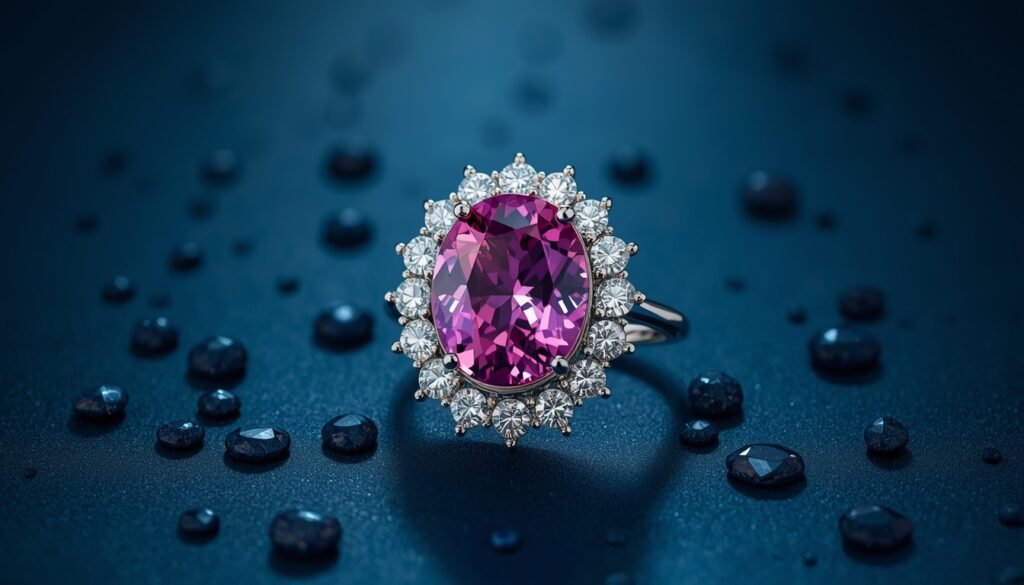
The second bucket is collectible or premium jewelry, where the value is not just the gold weight or the stone weight. In this part of the market, signature, craftsmanship, design identity, rarity, provenance, and condition can all push value higher. Christie’s says signed jewelry attracts serious collectors, and Sotheby’s notes that on the secondary market, things like craftsmanship, condition, and brand signature can materially increase value beyond intrinsic content.
That is why two pieces with roughly similar gold or diamond content can behave very differently in resale. One might trade more like scrap-plus-design value, while the other trades like a collectible object with a story, a brand, and a buyer base.
The 3 Types of Jewelry Most Likely to Work as Investments
1. High-Purity Gold Jewelry
If you want the simplest entry point into jewelry investment, gold jewelry is usually the easiest category to understand. The material has a globally recognized market, and purity can be checked through karat or fineness marks. The World Gold Council explains that gold purity is commonly stamped in parts per thousand, such as 585 for 14K, 750 for 18K, and 999 for pure gold.
From an investment angle, the strongest gold-jewelry purchases are usually the ones where the value is easier to connect back to metal purity and weight rather than to fashion markup alone. Simple, heavy, high-purity pieces often make more sense than trend-driven, lightweight designs sold mainly on branding or style. That is an inference from how gold purity is standardized and how collectible premiums tend to work separately from intrinsic value.
Gold jewelry can make sense for buyers who want something wearable that still retains a meaningful link to metal value. But it is still jewelry, not bullion. Workmanship, retail margin, and resale channel all affect what you actually recover later.
2. Certified Diamonds and Important Gemstones
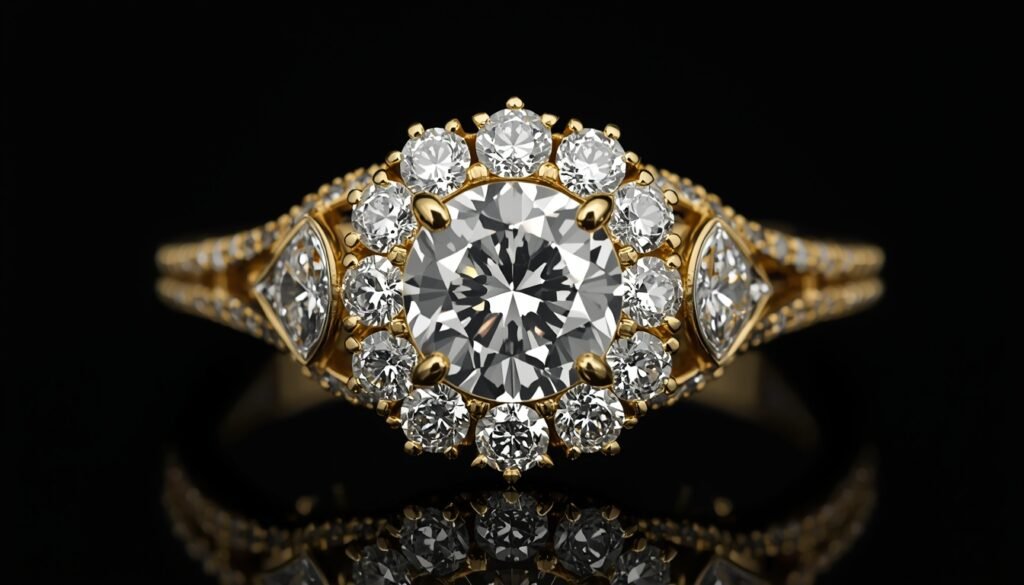
The second lane is gemstone-focused jewelry investment, especially diamonds and rare colored stones. Here, documentation becomes much more important. GIA says a diamond grading report independently confirms the quality characteristics that determine value, and describes the 4Cs — cut, color, clarity, and carat weight — as the systematic framework used to evaluate a diamond.
That does not mean every diamond ring is a good investment. It means that if you are buying with investment in mind, you should favor stones whose quality can be described and defended objectively. GIA’s guidance is useful here because it keeps the conversation anchored in measurable attributes rather than sales language.
Treatments matter too. GIA’s analysis of U.S. disclosure rules explains that treatments that significantly affect a stone’s value must be disclosed, and the logic behind that rule is simple: buyers should not mistake a treated gemstone for an untreated one of similar appearance and higher value. In practical terms, untreated or fully disclosed stones are safer than vague, poorly documented ones.
3. Signed Vintage and High Jewelry
The most exciting form of jewelry investment is often signed designer or house jewelry: Cartier, Van Cleef & Arpels, Tiffany & Co., Bulgari, and similar names. Christie’s says signed jewelry indicates the name of the house or maker and attracts serious collectors worldwide. Sotheby’s goes further and explains that secondary-market value in major houses comes from the alignment of design identity, craftsmanship, materials, condition, and provenance.
This category is where jewelry starts to behave more like a collectible than a raw-material asset. Sotheby’s notes that provenance can significantly increase value, and that brand signature plus condition can add value beyond intrinsic gold and gemstone content. Christie’s also stresses that authenticity, period correctness, and original condition matter, and warns that embellishment or alteration can reduce value.
This is also the part of the market with the biggest upside and the biggest knowledge gap. Great signed jewelry can do very well, but only if you understand what collectors actually care about.
What Usually Does Not Work Well as Jewelry Investment
A lot of people lose money in jewelry investment because they buy the wrong category. Ordinary mall jewelry, trend-heavy pieces, heavily altered items, or stones without credible paperwork often struggle most on resale. That is not because they have no value. It is because the secondary market tends to pay strongest attention to authenticity, maker, condition, quality, and provenance — exactly the things auction houses and specialist buyers emphasize.
Christie’s explicitly says that if there is no provenance information, the rule of thumb is to assume something is wrong until proven right for valuable pieces, and it warns that alterations and embellishments can diminish value. That is a strong clue about what the market rewards and what it discounts.
So the harsh truth is this: most jewelry is a luxury purchase first and an investment second. The more your purchase depends on branding at retail, emotion, or trendiness without strong secondary-market demand, the harder it usually is to justify as a pure investment.
The 5 Things That Matter Most Before You Buy
Purity and Material Content
For gold jewelry, purity is the first checkpoint. The World Gold Council’s purity and fineness guide gives you a direct framework for reading karat and hallmark information. That is basic, but it matters, because “gold jewelry” is not one thing — 10K, 14K, 18K, and 24K are materially different in gold content.
Objective Gem Documentation
For diamonds and many important gemstones, paperwork matters. GIA says its grading reports are the industry standard for accurate diamond evaluation and are trusted by jewelers, appraisers, museums, auction houses, and buyers. If investment is part of your goal, undocumented stones are a much tougher bet.
Maker Signature
Christie’s and Sotheby’s both make clear that signature matters in collectible jewelry. That does not mean every signed piece is automatically a winner, but it does mean the market pays attention to maker identity in a way it does not for generic production jewelry.
Condition and Originality
Condition is one of the most underrated drivers of jewelry value. Christie’s says embellishment and alterations can reduce value, even for signed pieces, because the item is no longer in original condition. Sotheby’s similarly ties value to intact design identity and strong preservation.
Provenance and Paper Trail
Christie’s defines provenance as the documented ownership history of an object, and both Christie’s and Sotheby’s point to provenance as something that reduces uncertainty and can materially improve value. In practical terms, original boxes, receipts, certificates, and credible ownership history all help.
How to Buy Jewelry for Investment More Wisely
The smartest way to approach jewelry investment is to buy as if resale will matter from day one. That means keeping paperwork, preferring documented stones, favoring clean condition, and avoiding “mystery value” pieces that depend on a seller’s story more than on evidence.
Independent appraisal also matters. GIA’s appraisal guidance says gem and jewelry appraisers should have both gemological and appraisal training, and recommends checking training, designations, experience, and independence. That is especially important if you are making a meaningful purchase or trying to understand fair market value rather than just accepting store pricing.
Insurance is part of the equation too. GIA notes that homeowners’ and renters’ insurance may not fully cover jewelry loss or damage and that higher-value collections may need dedicated jewelry insurance. That does not increase return, but it protects the asset side of the purchase.
Is Jewelry Investment Worth It in 2026?
For most people, jewelry investment is worth it only if they understand what they are actually buying. If your goal is pure efficiency, jewelry is usually not the cleanest investment vehicle. Bullion, funds, and simpler financial assets are generally easier to price and easier to sell. But jewelry can still make sense when you want a mix of wearability, tangible asset value, and collectible upside. That conclusion is a practical inference from how purity, grading, provenance, and auction-market demand work together.
The most defensible strategy is to treat jewelry as a selective alternative asset, not as the center of your portfolio. Gold jewelry can be the most straightforward lane. Certified diamonds and gemstones require more care. Signed vintage or house jewelry can offer the most upside, but only if you know the market well enough to buy rarity, not just beauty.
Final Thoughts
Jewelry investment can absolutely work, but only in the right categories and with the right expectations. Gold purity, diamond grading, maker signature, condition, and provenance are not small details — they are the foundation of whether a piece behaves like an asset or just like an expensive accessory.
The mistake most buyers make is assuming all jewelry holds value the same way. It does not. The strongest candidates are usually high-purity gold pieces, properly documented important stones, and signed jewelry with real collector demand. Everything else needs a much more cautious eye.
So if you are targeting the keyword jewelry investment, the honest conclusion is simple: buy jewelry for investment only when the piece gives you more than beauty — it should also give you measurable quality, credible documentation, and a realistic resale story.
FAQs
Is jewelry a good investment?
Sometimes. Jewelry works best as an investment when it has strong intrinsic value, collectible demand, or both. Gold purity, gem quality, signature, condition, and provenance all matter.
What type of jewelry holds value best?
High-purity gold jewelry, certified important stones, and signed designer or vintage jewelry usually have the strongest case for holding value.
Does a GIA report matter?
Yes. GIA says its grading reports are the industry standard for accurate diamond evaluation and help confirm the characteristics that determine value.
Why does provenance matter in jewelry?
Because provenance reduces uncertainty and can materially increase value, especially in collectible or auction-grade jewelry.
Is signed jewelry better for investment?
Often yes, because signed pieces attract collectors, but signature alone is not enough — authenticity, condition, originality, and documentation still matter.
What should I check before buying investment jewelry?
Check purity marks, grading reports, maker signature, condition, provenance, and whether an independent appraiser can support the value.
Leave a Reply