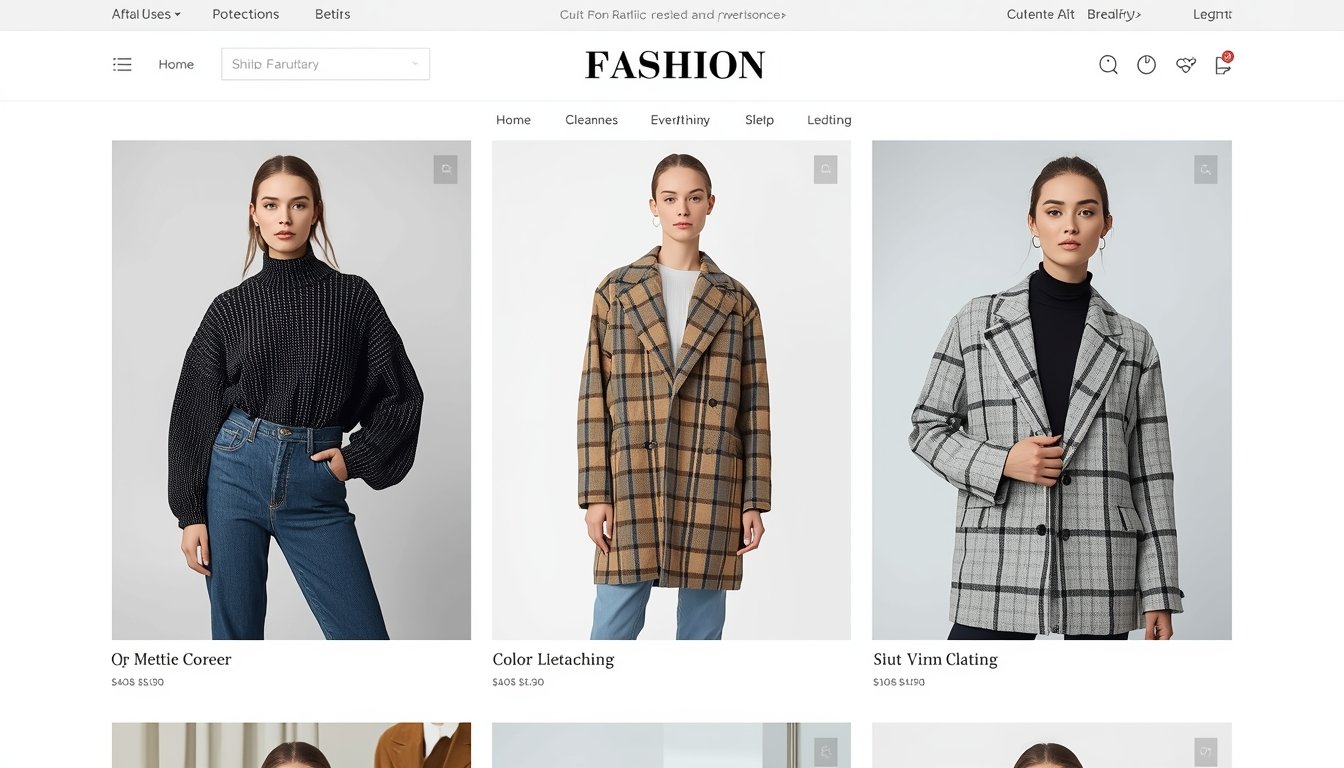
Fashion image editing plays a big role in how clothing, accessories, models, and brand identity are presented online. In fashion, a photo is not just a photo. It is part of the story, mood, and value of the product or brand. A well-edited image can make a simple outfit look premium, stylish, and more attractive to buyers. Whether the image is for an online store, social media post, fashion blog, magazine feature, or ad campaign, editing helps improve quality and create a polished final result. Good fashion image editing is not about making everything fake. It is about enhancing what is already there and making the image clean, balanced, and visually strong. It includes color correction, lighting fixes, background cleanup, skin retouching, garment detailing, and overall image consistency. These edits help brands look more professional and trustworthy. In today’s digital world, people often judge a fashion product within seconds, so image quality matters a lot. This article explains fashion image editing in a clear and useful way through ten important sections. Each part will help you understand why it matters and how it improves fashion visuals.
1. What Fashion Image Editing Really Means
Fashion image editing is the process of improving and refining fashion photographs after they are captured. It involves adjusting many parts of an image to make it look more polished, attractive, and suitable for its final use. In fashion photography, even a strong original image usually needs editing before it is ready for publishing. This does not mean the photo was poor. It simply means that editing is a normal part of the creative and commercial process.
The goal of fashion image editing is to highlight the clothing, model, styling, and overall mood in the best possible way. This can include correcting brightness, improving color balance, removing distractions, sharpening details, and creating consistency across a full set of images. In some cases, it also includes retouching skin, cleaning wrinkles from garments, fixing shadows, and improving the background.
Fashion editing is useful for many types of content. E-commerce brands need clean and accurate product images. Fashion magazines need dramatic and stylish visuals. Influencers often need vibrant but natural-looking edits for social media. Each purpose requires a different editing style, but the main idea stays the same: make the image more visually effective.
A good fashion edit should support the image, not overpower it. The best results look clean, intentional, and professional without feeling forced.
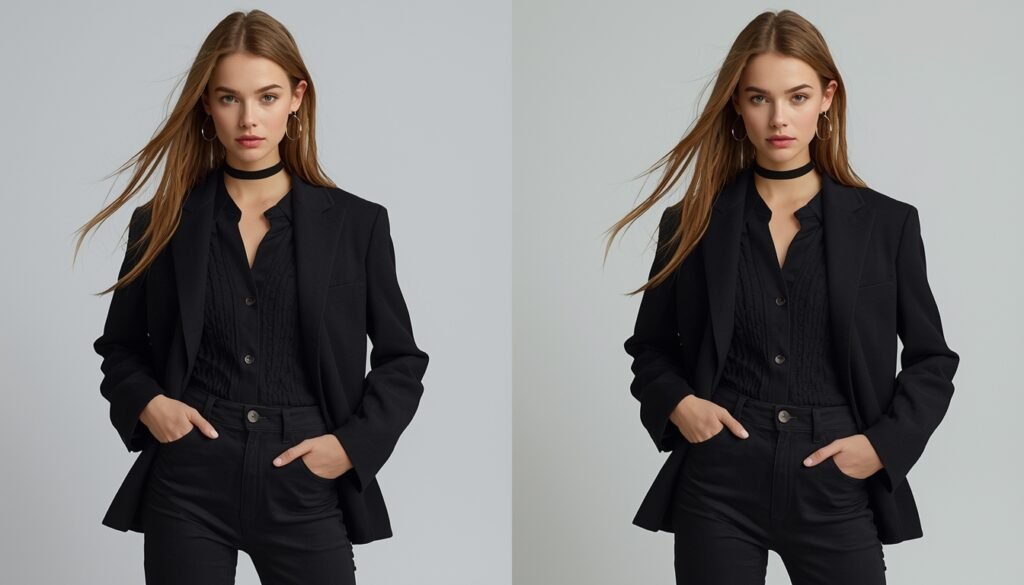
2. Why Fashion Brands Need High-Quality Image Editing
Fashion brands need high-quality image editing because visuals strongly affect how customers see the brand. In fashion, buyers often cannot touch the fabric, test the fit, or see the item in person before making a purchase. This means the image has to do most of the work. If the photo looks dull, messy, or inconsistent, people may assume the product itself is low quality. A strong image creates trust and makes the product look more valuable.
Editing helps brands present their clothing in the most effective way. It improves lighting, fixes color issues, removes distractions, and keeps the focus on the outfit. It also helps build a consistent look across a website, catalog, or social media feed. When every image feels connected in tone and style, the brand looks more organized and premium.
High-quality editing is especially important for online stores. Clear and accurate product images can reduce customer confusion and improve buying confidence. People want to see texture, shape, color, and fit clearly. If the images are edited poorly, the product may appear different in real life, which can lead to disappointment and returns.
For fashion campaigns, editing also supports mood and storytelling. It helps match the brand identity, whether the look is luxurious, youthful, bold, minimal, or elegant. In short, image editing is not extra. It is part of how a fashion brand communicates quality.
3. The Importance of Color Correction in Fashion Photos
Color correction is one of the most important parts of fashion image editing because color affects everything in a fashion image. It influences mood, product accuracy, and brand presentation. If the colors in a photo are too dull, too bright, too warm, or too cool, the entire image can feel wrong. In fashion, this is a serious issue because customers expect the clothing color they see online to match what they receive.
Color correction helps fix these problems by adjusting tones so they look natural, balanced, and true to life. It can improve skin tones, make the garment color more accurate, and remove unwanted color casts caused by poor lighting. For example, white clothing may appear yellow under indoor lighting, or blue fabric may look purple if the camera settings are off. A good editor corrects these issues while keeping the image realistic.
In fashion campaigns, color correction also helps create a strong visual identity. Some brands prefer soft, neutral tones, while others want rich, bold, vibrant colors. Editing helps shape that final look without losing the product’s real appearance. This balance is very important.
When a fashion shoot includes many images, color correction also creates consistency. This makes all photos feel like part of one collection instead of random separate shots. Strong color editing helps the brand look professional, trustworthy, and visually appealing across every platform where the images appear.
4. Skin Retouching in Fashion Image Editing
Skin retouching is a common part of fashion image editing, but it needs to be done carefully. The purpose is not to erase all human texture or make the model look artificial. The real goal is to create a clean, polished image while keeping the person looking natural. Good skin retouching improves the photo without removing personality, expression, or realism.
In fashion images, editors often reduce temporary imperfections such as blemishes, uneven spots, minor under-eye darkness, or distracting shine. They may also balance skin tone, soften rough patches, and gently refine the overall appearance. However, strong editing that removes all pores, texture, and natural lines can make the image look unrealistic and overly processed. Modern fashion editing often aims for a more natural result because audiences respond better to images that still feel human.
Skin retouching must also fit the style of the project. A luxury campaign may use more polished editing, while a streetwear or lifestyle shoot may keep more natural texture. The right level depends on the brand, platform, and message behind the image.
It is also important to edit fairly and responsibly. Fashion visuals influence beauty standards, so editors should avoid extreme changes that distort body shape, skin tone, or facial features. Responsible retouching improves the image while respecting the model’s real appearance. When done well, skin editing supports the fashion story without becoming the main focus of the photo.
5. Background Removal and Cleanup for Better Focus
Background removal and cleanup are very useful in fashion image editing because they help keep attention on the outfit, accessories, or model. In many fashion images, the background should support the subject, not compete with it. If there are messy objects, poor lighting, random people, or distracting details in the frame, the clothing can lose its impact. Editing helps solve this problem.
In e-commerce fashion photography, background removal is especially important. Many brands use white, gray, or transparent backgrounds so the product looks clean and professional. This style helps customers clearly see the item without distractions. It also makes the website look more organized and easier to browse. For marketplaces and online stores, a simple background often improves product presentation.
In editorial or social media fashion images, full background removal may not always be needed, but cleanup still matters. Editors may remove wires, marks on the wall, unwanted shadows, street clutter, or objects that pull attention away from the styled look. Even small distractions can weaken an otherwise strong image.
A clean background also improves visual balance. It helps the image feel intentional and polished. In fashion, every detail matters, so the surrounding space should look controlled and useful. Whether the goal is a studio-style product shot or a stylish campaign image, background editing makes the final visual cleaner, stronger, and more focused on what truly matters: the fashion itself.
6. How Editing Improves Clothing Details and Texture
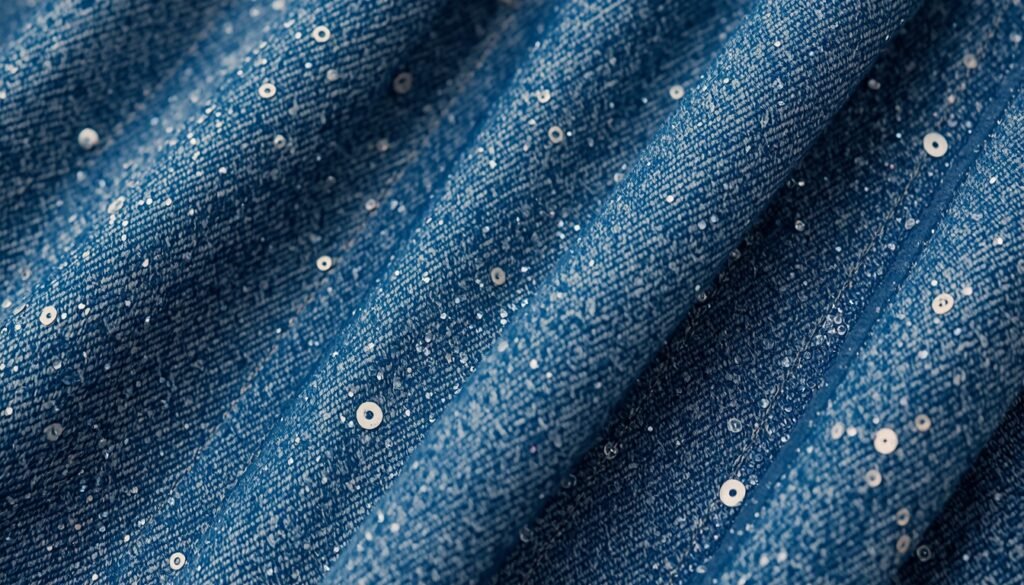
One of the biggest benefits of fashion image editing is that it helps bring out the true details and texture of clothing. In fashion, the product itself is the star. People want to see the fabric, stitching, fit, shape, and finish as clearly as possible. If these details are hidden by poor lighting, flat colors, or weak contrast, the image may not do justice to the garment.
Editing helps sharpen important areas so textures like denim, silk, cotton, leather, sequins, or knitwear become more visible. It can also improve contrast and brightness so folds, seams, patterns, and design details stand out better. This is especially useful for online stores where customers rely on photos to understand quality and style. If the image clearly shows the craftsmanship of a piece, the product feels more premium and trustworthy.
Fashion image editing can also help clean up garments without changing their real design. Small wrinkles, lint, loose threads, or unwanted creases may be reduced to make the clothing look more presentable. However, the garment should still look real. Editing should improve the presentation without changing the actual fit or style too much.
When clothing details are clear, the image becomes more persuasive. The viewer can better imagine how the item looks and feels. This improves both visual appeal and customer confidence. In fashion, strong detail editing helps turn a simple photo into a more effective selling and branding tool.
7. The Role of Lighting and Shadow Adjustment
Lighting and shadow adjustment are essential in fashion image editing because light shapes the entire image. It affects how the clothing looks, how the model appears, and how the overall mood is felt. Even a great outfit and strong pose can lose impact if the lighting is uneven, too dark, too flat, or too harsh. Editing helps fix these issues and gives the image more balance and depth.
A fashion editor often adjusts brightness, contrast, highlights, and shadows to make the image more polished. If a face is too dark, shadows can be lifted. If bright areas are too harsh, highlights can be softened. If the outfit blends into the background, contrast can be improved to separate the subject more clearly. These changes make the image easier to read and more visually pleasing.
Shadows are also important because they create shape and dimension. Without proper shadow balance, clothing can look flat and lifeless. Good editing keeps enough depth to show the form of the body and the structure of the garment. It should not remove all shadows, because that can make the image look unrealistic.
In fashion campaigns, lighting edits also help build mood. Soft light may feel elegant and romantic, while stronger contrast may feel bold and dramatic. By controlling light and shadow carefully, editors help the image match the creative direction. This makes the final photo stronger, more expressive, and more useful for fashion branding.
8. Fashion Image Editing for E-Commerce Stores
Fashion image editing is especially important for e-commerce stores because online shopping depends heavily on visuals. When customers shop in person, they can touch the fabric, inspect the stitching, and try on the item. In an online store, they only have the images and product description. That is why edited images play a major role in helping people decide whether to buy.
For e-commerce, fashion editing usually focuses on clarity, accuracy, and consistency. The product needs to be shown clearly from the right angle, with clean lighting and correct color. Editors often remove the background, center the item properly, fix minor imperfections, and make sure all product photos follow the same style. This makes the website look more professional and easier to trust.
Accurate editing is very important in online fashion retail. If the image color is too different from the real item, customers may feel disappointed. If details are hidden, they may not understand the value of the product. Strong editing solves these issues by making the clothing look appealing while still remaining honest.
Good e-commerce fashion images can also improve conversion rates. A clean and attractive image helps people imagine the product in their life. It reduces hesitation and creates a smoother shopping experience. When customers can clearly see what they are buying, they feel more confident. For online fashion brands, image editing is not just about beauty. It directly supports sales, trust, and customer satisfaction.
9. Fashion Image Editing for Social Media and Branding
Fashion image editing for social media and branding is slightly different from basic product editing because the goal is not only to show the outfit but also to create a strong visual identity. On social media, people scroll quickly, and an image only has a few seconds to make an impression. A well-edited fashion image can stop the scroll, communicate style, and make the audience curious about the brand.
For branding, consistency is very important. A fashion label may want all images to have a similar tone, brightness, color style, and visual mood. This helps the audience recognize the brand instantly. Some brands use warm, soft edits for a calm and elegant feeling, while others use cool, bold tones for a modern edge. Editing helps create that signature look.
Social media fashion images often need to feel polished but still natural. Too much editing can make the image feel fake or disconnected from real life. Strong fashion brands usually aim for a clean, stylish, believable finish that matches their audience. The editing may include background cleanup, color grading, skin retouching, and detail enhancement, but the final image should still feel alive and relatable.
Branding is built through repeated visual experience. Every post, campaign, and product image adds to that identity. Thoughtful fashion image editing helps keep the message clear. It makes the brand feel more professional, memorable, and emotionally connected to the people who follow and buy from it.
10. Choosing the Right Style of Fashion Image Editing
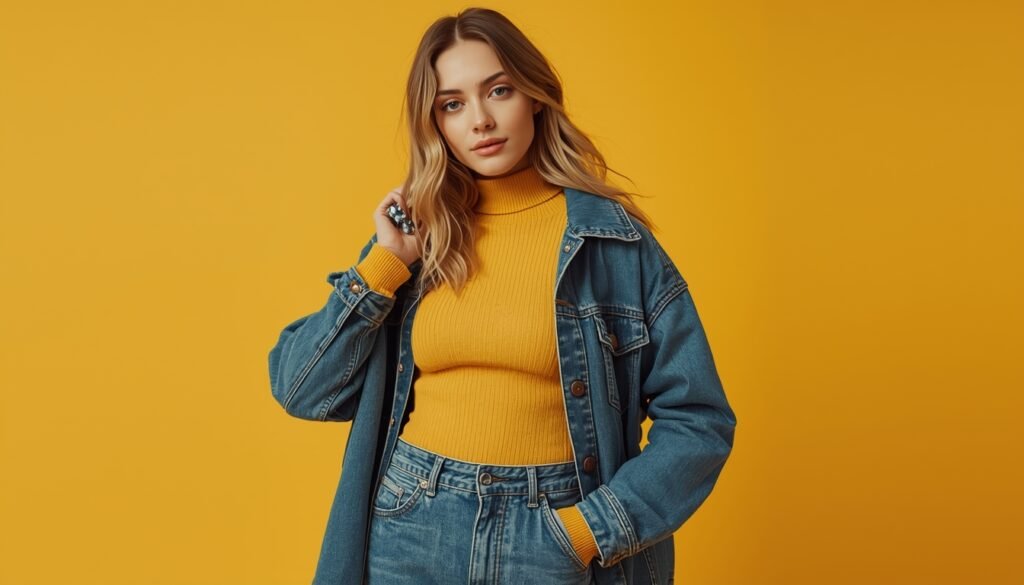
Choosing the right style of fashion image editing is important because not every image should be edited in the same way. The editing style should match the purpose of the photo, the target audience, and the brand’s identity. A product image for an online store needs a different approach than a luxury campaign photo, influencer content, or a fashion magazine editorial. Good editing is not only about making the image look better. It is about making it right for its job.
For e-commerce, the best editing style is usually clean, simple, and accurate. Customers need to see the true color, shape, and details of the clothing. For social media, brands may use more mood, color depth, and creative styling to catch attention. Editorial fashion may allow for stronger artistic choices, dramatic tones, and more stylized retouching.
It is also important to think about brand personality. A minimal fashion brand may prefer soft, neutral edits with lots of clean space. A bold streetwear brand may choose higher contrast and more energetic tones. The editing should support the message the brand wants to send.
The best fashion image editing style feels intentional and consistent. It enhances the original photo without making it feel forced. When the style matches the image purpose and audience expectations, the final result becomes much more effective. That is what makes fashion image editing not just technical work, but also creative direction.
Conclusion
Fashion image editing is a powerful part of modern fashion presentation. It helps images look cleaner, stronger, and more professional while supporting product quality, storytelling, and brand identity. From color correction and skin retouching to background cleanup and lighting control, each step plays a role in creating visuals that connect with viewers. In e-commerce, editing builds trust and helps customers understand the product. On social media, it supports branding and attention. In campaigns, it adds mood and polish. The best fashion image editing does not make a photo feel fake. It improves what is already there and presents it in the most effective way. When done carefully, it can turn an ordinary image into one that feels stylish, clear, and memorable.
Leave a Reply